
November is National Family Caregivers Month. And while I appreciate a month that recognizes what family caregivers do, I also know that caregiving doesn’t follow a calendar.
It happens on holidays. In the middle of the night. During a workday that was already packed before the phone rang.
It happens when you’re tired, frustrated, frightened … and still trying to figure out what comes next.
For me, caregiving is part of loving my husband. It has also changed our lives in ways neither of us could have anticipated.
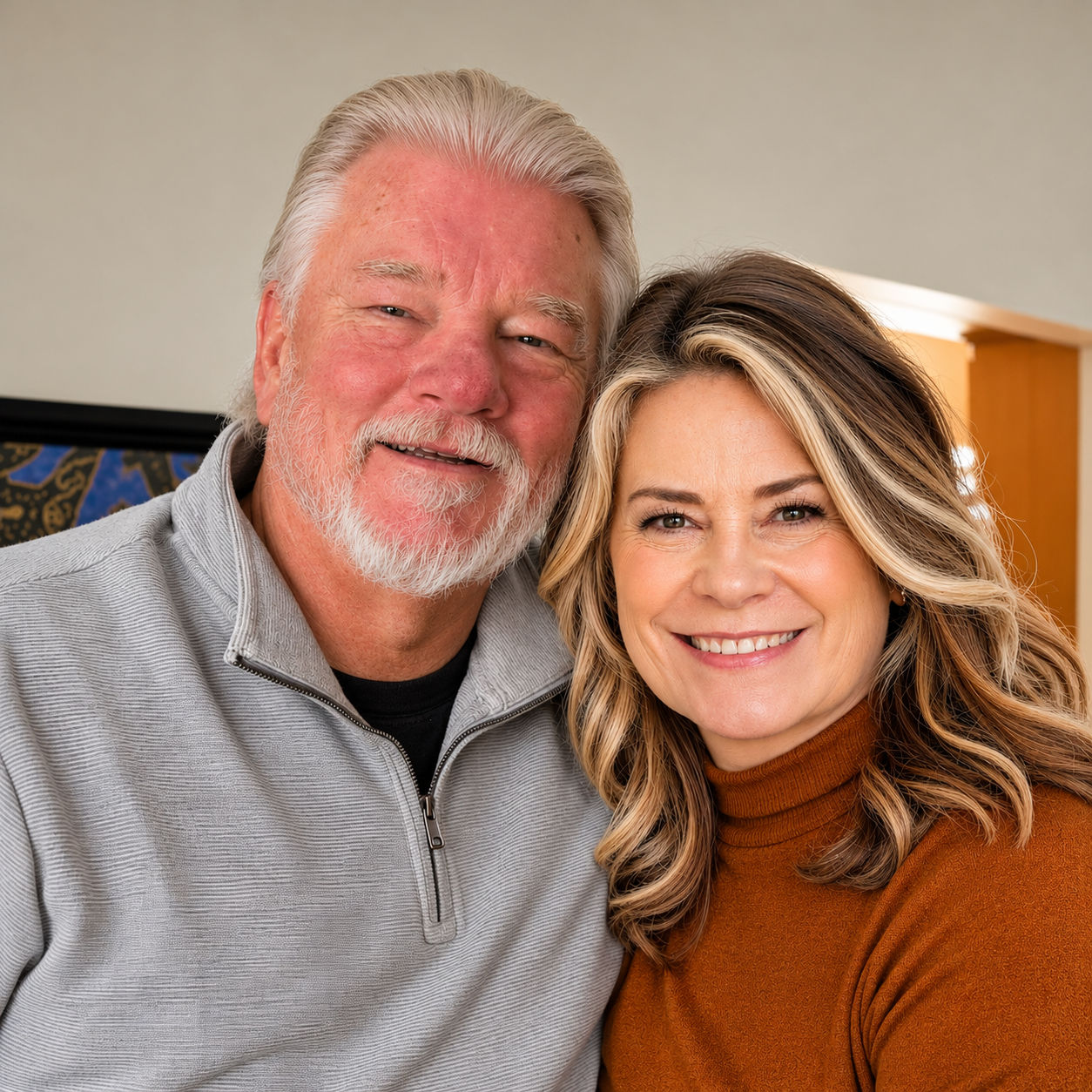
Smiling days are few and far between, we take every day as it comes.
The Numbers Tell A Story
According to Caregiving in the US 2025, published by AARP and the National Alliance for Caregiving:
63 million Americans (approximately one in four adults) are family caregivers.
More than four in ten provide high-intensity care.
One in five report being in poor health themselves.
About one-quarter have taken on debt because of caregiving.
Those numbers are significant. But behind each one is a person rearranging a life.
Someone managing medications between meetings. Someone helping a spouse get dressed before getting themselves ready. Someone listening carefully during a doctor’s appointment while wondering whether they’ll remember everything once they get home.
Someone who might look like they have it all together.
Someone like me.
Our Journey? No Map Included
My husband’s diagnosis began with Parkinson’s disease, shifted to multiple system atrophy, and was ultimately confirmed as Lewy body dementia in late 2020.
Each change brought more questions. We were trying to understand what was happening while continuing to live through it.
I became a student of my husband’s condition. I learned to notice changes, track patterns, ask questions, and speak up when something didn’t seem right.
I also learned how much happens between medical appointments.
That’s where we live: figuring out how to get through the day, adapting when something that worked yesterday doesn’t work today, and deciding when a change needs a phone call or more immediate attention.
There is no neat, orderly progression to this experience.
There is a whole lot of bobbing and weaving.
Little Things Become Big Things
Our lives have changed around what my husband needs.
Large, noisy environments can be overwhelming. Travel takes more consideration. Sometimes an earlier meal (a little “linner” as we call it) works better for us. Quiet spaces, familiar routines, and the hum of a fan can make a difference.
Hospital stays require their own planning. I’ve learned the value of putting essential information where people can see it, communicating his needs clearly, and advocating for an environment he can tolerate.
These details may sound small.
When you’re caring for someone with dementia, they can shape the entire day.
And through all of it, I’m still his wife. He’s still my love. My big guy. My Grumpy.
Our relationship deserves room alongside the medications, appointments, and conversations about what comes next.
Love and Exhaustion Share The Same Room
I can love my husband deeply and be exhausted.
I can appreciate time together and grieve the ease we once had.
I can be capable, organized, and experienced; still have days when I have absolutely no idea how I’m going to manage one more thing.
Those feelings can exist together.
Caregiving has taught me that boundaries matter. Asking for help matters. Having people who will listen without immediately trying to fix everything matters.
And “no” can be a complete sentence, even when you’re someone who is used to getting things done.
I’m still learning that, too.
Here’s Why Frazzled Exists
Frazzled grew out of living this experience and recognizing how much caregivers are expected to figure out along the way.
How do we wrap our heads around a diagnosis? Talk with family? Coordinate providers? Build a support network? Advocate without feeling as though we’re constantly fighting to be heard?
How do we care for someone we love while holding on to ourselves?
I bring my experience as an educator and trainer into this work, along with the lessons I continue to learn as a wife and caregiver.
I don’t have a perfect formula. I have experience, practical tools, a willingness to talk about the hard parts, and a firm belief that caregivers deserve support before they reach a breaking point.
Recognition Can Become Support
Caregiver Action Network’s 2026 National Family Caregivers Month theme is “Care Connects Us.” It recognizes the connections between caregivers, their loved ones, information, and community.
For me, that connection becomes meaningful through action.
If you know a caregiver, offer something specific. Bring dinner. Pick up groceries. Help with an errand. If you can safely provide care, arrange a time that lets them step away.
Keep inviting them, even when they’ve had to decline. Ask how they are doing, and leave enough room for an honest answer.
And if you’re the caregiver reading this, your needs belong in the conversation.
You don’t have to earn rest by reaching exhaustion. You don’t have to make this look easy. And needing support doesn’t diminish the love or care you give.
This November, I’m thinking about the millions of us figuring it out as we go. Loving our people. Adjusting our expectations. Finding moments of laughter. Bobbing and weaving.
From One Frazzled Caregiver To Another
Find more honest conversation and practical caregiving support here at frazzledcaregiver.com.