
The Hidden Exhaustion Behind Looking “Fine”
There’s a moment before the door opens.
Before the family gathering starts.
Before the doctor walks in.
Before the neighbor says, “How’s he doing?”
And just like that — it’s showtime.
If you’re caring for someone living with Lewy Body Dementia, Parkinson’s, Alzheimer’s, or many other neurological conditions, you’ve probably witnessed this phenomenon more times than you can count. The person you love suddenly “perks up.” They smile. They joke. They answer questions. They seem engaged, alert, maybe even energetic.
To the outside world, they “look good.”
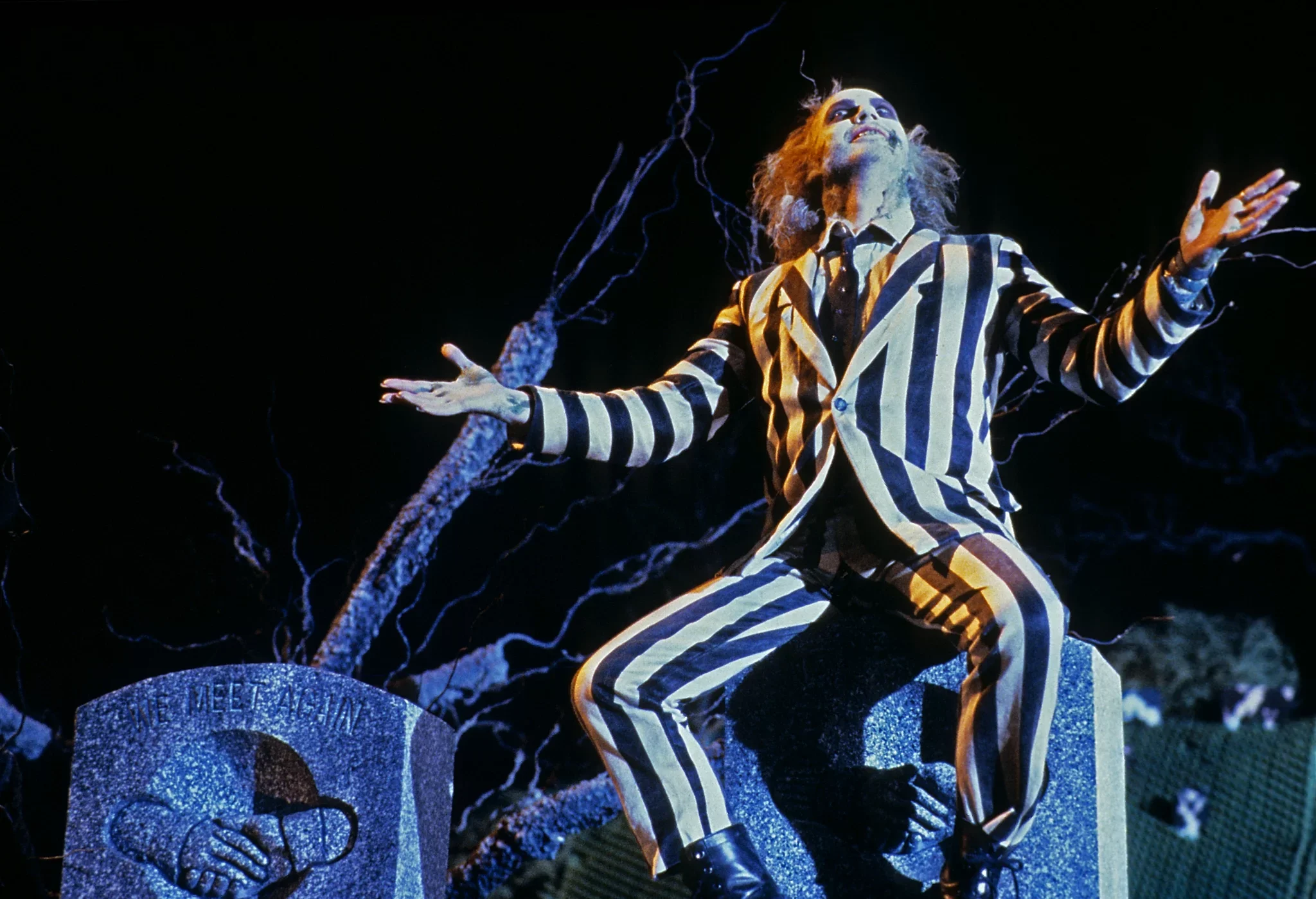
“Beetlejuice, Beetlejuice, Beetlejuice,” whispers Delia Deetz!
We're not necessarily summoning a mischievous ghost, but because sometimes all it takes is the announcement of company coming or an event. Suddenly, it’s showtime!
And then the visitors leave.
The smile fades.
The body slumps.
The exhaustion crashes in like a wave.
Emotionally, mentally, physically — they are done.
That part?
It’s what most people never see. The performance ends, the exhaustion sets in, and caregivers are left explaining once again that what others witnessed was only a brief moment—not the full reality.
The Performance No One Talks About
Human beings are wired for social interaction. Most of us naturally adjust our behavior when we’re around others. We straighten up. We focus harder. We mask stress. We try to meet expectations.
But for someone with a neurological condition, that effort can come at a tremendous cost.
What looks like a simple conversation may actually require:
intense concentration
emotional regulation
memory retrieval
physical energy
sensory processing
social masking
anxiety management
Their brain is working overtime trying to “hold it together.”
And many do hold it together, albeit briefly.
Long enough for people to say:
“Well, they seem fine to me.”
Caregivers know the truth.
We see the aftermath.
The Emotional Crash After the Curtain Falls
Sometimes the crash looks physical:
sleeping for hours
increased confusion
shakiness
difficulty walking
more hallucinations or cognitive changes
irritability
Sometimes it’s emotional:
tears
frustration
silence
anxiety
agitation
withdrawal
And sometimes it’s both.
The emotional toll of trying to appear “normal” can be enormous. Many individuals know something is changing inside them. They recognize when words don’t come easily. They feel the effort it takes to track conversations. They know they missed pieces of what was said.
That awareness alone is exhausting.
Imagine spending an hour pretending your brain isn’t struggling while simultaneously fighting to stay connected to the people around you.
That’s not laziness.
That’s neurological fatigue.
Caregivers Feel It Too
The caregiver often becomes part stage manager, part emotional support, part recovery team.
We:
prep beforehand
monitor the interaction
redirect conversations
smooth over awkward moments
watch for overload
help them recover afterward
And honestly? Sometimes we crash too.
Because while everyone else saw a “good visit,” we saw the hidden effort behind every smile, every answer, every attempt to stay engaged.
Looking Beyond “But They Look Fine”
One of the hardest parts of invisible illness is that people judge wellness by appearance.
If someone can laugh for twenty minutes at lunch, people assume they’re doing better.
What they don’t see is the two-hour nap afterward.
Or the confusion that ramps up that evening.
Or the emotional unraveling once the pressure to perform disappears.
Neurological conditions are rarely linear. Moments of clarity do not erase the diagnosis. Good moments do not cancel difficult realities.
Sometimes people truly are doing well in that moment.
And sometimes they’re giving every ounce of themselves just to survive the interaction.
Both can be true.
Maybe We Need to Change the Audience Expectations
What if we stopped measuring wellness by performance?
What if instead of saying:
“They looked great!”
We asked:
“How are they doing after visits?”
What if we gave people permission to:
leave early
rest afterward
skip interactions
communicate differently
not carry the burden of making everyone else comfortable
Because for many living with neurological disease, social interaction becomes emotional labor.
And emotional labor is exhausting.
After the Applause
When the visitors leave and the house gets quiet again, caregivers often witness the reality hidden behind the performance.
The curtain closes.
The adrenaline fades.
The nervous system finally lets go.
And there, in the silence, is the part nobody claps for:
the recovery.
So if you’re caring for someone who seems to “save it all up” for visitors and then crashes afterward, you are not imagining it. And neither are they.
Sometimes “looking okay” is the hardest work they do all day.